
What New Investors Often Get Wrong About Investing in Kenya
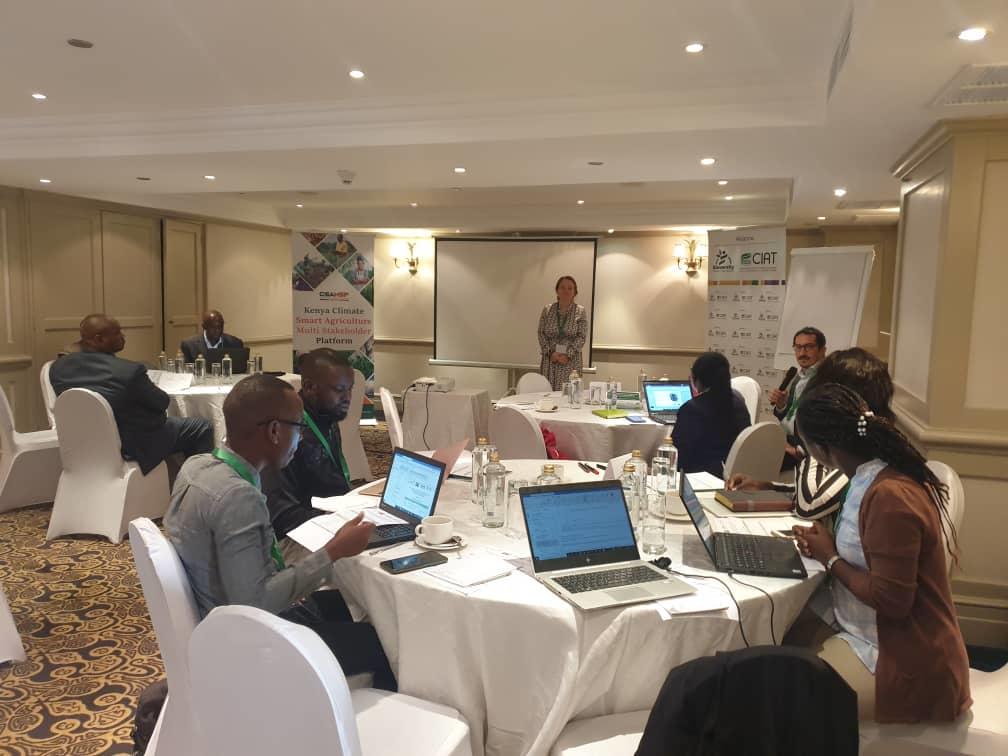
Kenya offers real opportunity for new investors, but success depends on understanding how the market truly works.
Key Takeaways
- Many new investors in Kenya underestimate how local realities shape outcomes.
- Investing in Kenya requires practical insight beyond data and projections.
- Regulations exist, but how they are applied often differs by county and sector.
- Early feasibility and local guidance significantly reduce execution risk.
For many international players, investing in Kenya appears attractive and relatively simple. The country is frequently highlighted as a leading investment destination in East Africa, supported by economic growth, expanding infrastructure, and a strong entrepreneurial culture.
However, new investors in Kenya often realise that opportunity on paper does not always translate smoothly into execution. Processes that appear clear in theory can become complex in practice, especially when the local context is not fully understood.
This blog explores the most common assumptions new investors make when investing in Kenya, and why addressing them early is critical to long-term success.
How regulation really works when investing in Kenya
Kenya has established regulatory frameworks that give new investors in Kenya confidence when entering the market. Licensing requirements, compliance steps, and sector guidelines are generally well documented.
In practice, however, investing in Kenya requires understanding how these rules are applied on the ground. Interpretation and timelines can vary by county, sector, and project scale. Approvals often involve coordination between multiple offices, and progress may depend on active follow-up rather than passive submission. Official institutions such as the Kenya Investment Authority provide valuable guidance, but local navigation remains essential.
Why strong business models still struggle when investing in Kenya
A common misconception among new investors in Kenya is that a proven business model will perform the same way in every market. While Kenya is receptive to innovation, operating conditions, consumer behaviour, and infrastructure constraints can differ significantly.
When investing in Kenya, factors such as land history, access to utilities, supplier reliability, and local demand patterns often influence outcomes more than initial projections suggest. Without early feasibility checks and local validation, these realities tend to surface later, when adjustments are more expensive and disruptive.
The role of relationships in investing in Kenya
Successful investing in Kenya is rarely transactional. Coordination with regulators, suppliers, partners, and communities plays a significant role in how smoothly a project progresses.
Many new investors in Kenya underestimate the importance of having a trusted local presence. Without it, communication gaps and misaligned expectations can slow progress. While macro-level insights from sources like the World Bank’s Kenya overview help investors understand the broader environment, local coordination is what turns understanding into execution.
Why speed can create risk for new investors in Kenya
Moving quickly is often seen as an advantage, but when investing in Kenya, speed without understanding can create unnecessary risk. Rushed decisions may overlook zoning considerations, approval requirements, or operational constraints that later force costly changes.
Experienced new investors in Kenya learn that taking time early to clarify feasibility, structure entry correctly, and set realistic timelines often leads to smoother progress overall. Broader perspectives from organisations such as UNCTAD’s investment analysis reinforce the importance of aligning strategy with local conditions.
Moving forward with confidence when investing in Kenya
For new investors in Kenya, the challenge is rarely a lack of opportunity. More often, it is the gap between expectation and reality. Approaching investing in Kenya with patience, grounded insight, and practical local guidance makes the difference between stalled ideas and sustainable outcomes.
If you are considering investing in Kenya and want to move forward with clarity and confidence, working with a trusted local expert can help you understand what is realistic, what requires adjustment, and how to progress responsibly. Timba Solutions Kenya exists to support investors at this stage, providing local insight that bridges opportunity and execution.
